Car Mechanic vs Automotive Technician
When most people experience a vehicle issue, they instinctively say they need a “car mechanic.” It’s a phrase that has been used for generations and still feels natural. But vehicles today are no longer simple mechanical machines, and the professionals who service them have had to evolve dramatically to keep up.
Modern vehicles are complex systems made up of mechanical components, electronic controls, sensors, software logic, and interconnected safety technology. Because of this evolution, the difference between a traditional car mechanic and a modern automotive technician is no longer just a matter of wording. It directly affects how accurately a vehicle is diagnosed, how reliably it is repaired, and how well it performs over time.
For drivers in Chantilly and throughout Northern Virginia, where daily commuting, traffic congestion, highway driving, and seasonal weather changes place constant demands on vehicles, understanding this difference can help you make better decisions about vehicle care.
Where the Term “Car Mechanic” Comes From
The term car mechanic dates back to an era when vehicles were almost entirely mechanical. Engines relied on carburetors and ignition components, electrical systems were simple, and most problems could be identified through sound, vibration, or visible wear.
The Traditional Mechanic Skill Set
Historically, a car mechanic focused on:
-
Engines and drivetrains
-
Brakes and suspension systems
-
Steering components
-
Exhaust systems
-
Hands-on diagnostics based on experience
A skilled mechanic developed intuition through repetition and physical inspection. For decades, this approach worked well because vehicle systems were relatively simple and operated independently.
That foundation still has value, but it no longer reflects the full reality of modern vehicles.
How Vehicles Changed and Why the Role Changed Too
Over the past two decades, vehicles have evolved into rolling computer networks. Even entry-level vehicles now contain dozens of control modules and hundreds of sensors that communicate constantly.
Modern vehicles commonly include:
-
Computer-controlled engine management
-
Advanced braking and stability systems
-
Integrated safety and driver-assistance technology
-
Networked electrical and communication systems
-
Software-based monitoring and fault detection
Because of this complexity, many vehicle issues are no longer caused by a single worn part. Instead, problems often arise from system interactions, electronic faults, or data inconsistencies.
This evolution is what led to the modern role of the automotive technician.
What Is an Automotive Technician?
An automotive technician is not simply a mechanic with a new title. It represents a different level of training, responsibility, and diagnostic thinking.
What Sets Automotive Technicians Apart
Automotive technicians are trained to understand:
-
Mechanical systems
-
Electrical theory and circuitry
-
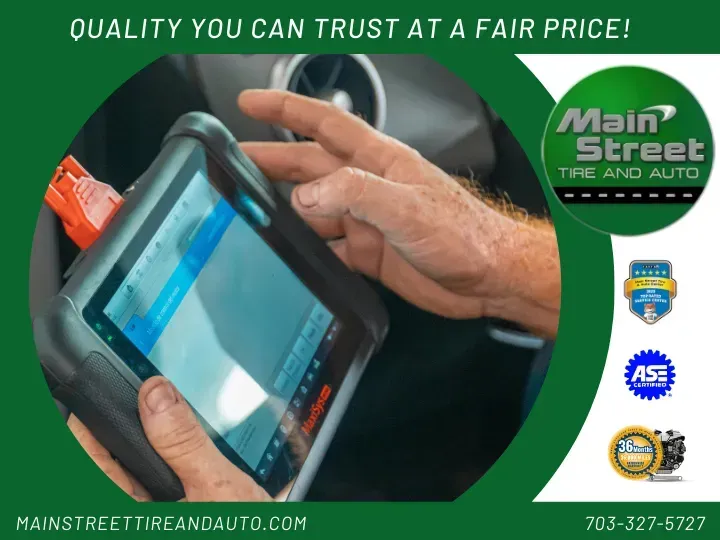
Computerized diagnostics
-
Vehicle software and data interpretation
-
How systems communicate and affect one another
Rather than guessing or replacing parts based on symptoms alone, technicians follow structured diagnostic procedures designed for modern vehicles.
For drivers in Chantilly, South Riding, Centreville, and surrounding areas, where stop-and-go traffic and highway commuting are common, this approach is critical to vehicle reliability.
Diagnostics vs Guesswork: A Critical Difference
One of the most important distinctions between a traditional mechanic mindset and a technician mindset is how problems are identified.
The Guess-and-Replace Approach
On older vehicles, it was common to:
-
Replace parts based on common failure patterns
-
Rely heavily on experience alone
-
Try a repair to see if it resolved the issue
While this sometimes worked, it also introduced uncertainty and repeat issues.
The Diagnostic-Driven Approach
Automotive technicians are trained to:
-
Verify the concern
-
Retrieve and analyze diagnostic data
-
Test systems and components
-
Identify the true root cause
-
Confirm proper operation after repair
This process reduces unresolved problems, repeat visits, and unnecessary component replacement. For vehicle owners, that means greater confidence and more consistent vehicle performance.
Why Warning Lights Are No Longer Simple
Dashboard warning lights no longer point to a single failed component. They indicate that a system is not operating as designed.
For example:
-
A check engine light may involve airflow data, emissions control, sensor feedback, wiring integrity, or software logic
-
A brake warning may relate to electronic stability control, wheel speed sensors, or hydraulic modulation systems
-
A drivability concern may be caused by conflicting data rather than mechanical wear
An automotive technician understands how to interpret this information accurately and safely.
Training and Continuous Education
The difference between a mechanic and a technician is not about effort or work ethic. It is about ongoing education.
Why Continuous Training Matters
Vehicle technology evolves rapidly. Automotive technicians must stay current with:
-
New vehicle platforms
-
Updated diagnostic software and tools
-
Advanced safety and driver-assistance systems
-
Hybrid and electric vehicle technology
Without ongoing training, accurate service becomes impossible on modern vehicles. Technicians are trained to adapt as technology changes, ensuring long-term safety and reliability.
Mechanical Skill Still Matters, But It’s Only Part of the Job
Automotive technicians are still highly skilled in mechanical repair. They regularly work with:
-
Engines and transmissions
-
Steering and suspension systems
-
Brake systems
-
Cooling and drivetrain components
What has changed is that these systems are now controlled, monitored, and influenced by electronic systems. A technician must understand how mechanical and electronic components function together as one integrated system.
Why This Difference Matters to Drivers
For drivers, the difference becomes clear over time. Choosing technician-level service affects:
-
Vehicle safety
-
Reliability
-
Longevity
-
Confidence in recommendations
-
Overall driving experience
In Chantilly and the surrounding Northern Virginia communities, where vehicles are essential for work, family, and daily responsibilities, proper service is not optional.
Long-Term Vehicle Care and Preventive Thinking
Automotive technicians are trained to think beyond immediate repairs. They evaluate:
-
Wear patterns
-
System interactions
-
Early warning signs
-
How driving habits and environmental conditions affect components
This proactive mindset helps prevent unexpected breakdowns and supports long-term vehicle dependability.
Communication, Transparency, and Trust
Another important distinction lies in communication. Technician-focused service emphasizes:
-
Clear explanations
-
Data-based or visually verified findings
-
Prioritization based on safety and reliability
-
Education rather than pressure
This approach builds trust and helps vehicle owners make informed decisions.
Why the Terms Are Still Used Interchangeably
The word mechanic remains common because it is familiar and widely understood. However, the actual work being performed in modern service facilities aligns far more closely with the role of an automotive technician.
What matters most is not the title, but the training, diagnostic process, and mindset behind the service.
What to Look for When Choosing Vehicle Service
Instead of focusing on labels, vehicle owners should look for signs of technician-level care:
-
Diagnostic-first approach
-
Use of modern testing equipment
-
System-based explanations
-
Focus on long-term vehicle health
-
Clear, professional communication
These indicators matter far more than what the role is called.
The Bottom Line
The difference between a car mechanic and an automotive technician reflects how far vehicles have evolved. Modern vehicles require:
-
Diagnostic precision
-
Technical expertise
-
Continuous education
-
System-level understanding
An automotive technician represents the modern standard of vehicle care, focused on accuracy, safety, and long-term reliability. Understanding this difference helps drivers protect their vehicles, avoid unnecessary problems, and maintain confidence on the road.
Local Service Support
For drivers in Chantilly, South Riding, Centreville, Herndon, Fairfax, and surrounding Northern Virginia communities, professional automotive service should match the complexity of today’s vehicles.
Main Street Tire and Auto
43141 Town Hall Plaza
Chantilly, VA 20152
Phone: (703) 327-5727
Website: https://mainstreettireandauto.com/
You can also watch the video here:
https://youtu.be/mYs6uCXod_o