I need Brakes
If you’re saying “I need brakes,” you’re not asking for a parts list—you’re asking for certainty. You want to know your vehicle will stop consistently in traffic, on wet roads, at highway speeds, and during sudden stops in Northern Virginia driving conditions.
Brake problems are common, but symptoms can overlap. That’s why the correct next step is not guessing— it’s a proper inspection to confirm what’s actually happening.
If braking feels unsafe right now, do not continue driving to “see if it changes.” Get it inspected as soon as possible.
What “I need brakes” usually means
- Squeaking or squealing when braking
- Grinding noise when stopping
- Steering wheel shakes or vehicle vibrates while braking
- Brake pedal feels soft, low, hard, or inconsistent
- Vehicle pulls left or right under braking
- Stopping distance feels longer than normal
- Brake, ABS, or traction warning lights are on
- You were told you need brakes and want confirmation
How your braking system works
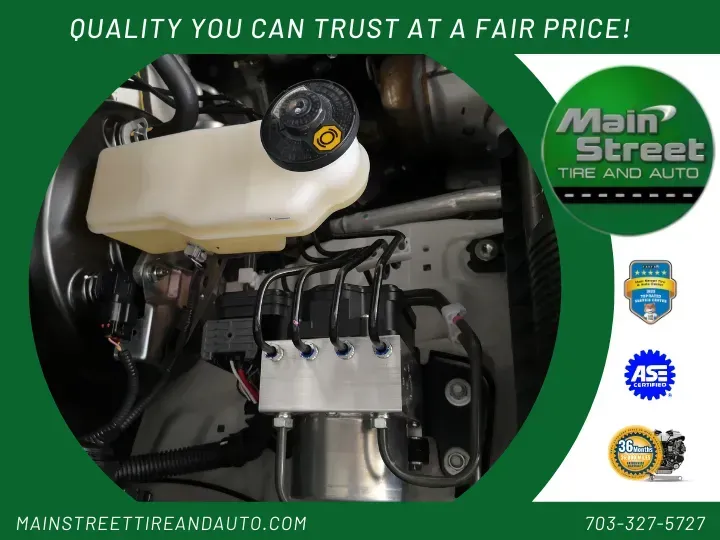
Your braking system works as a chain:
- Brake pedal is pressed
- Booster amplifies force
- Master cylinder creates hydraulic pressure
- Brake fluid transfers pressure through lines
- Calipers clamp pads onto rotors
- Friction slows the wheels
A fault anywhere in this system can create similar symptoms, which is why inspection matters.
The risk of delaying brake repairs
Brake issues typically worsen over time and may lead to:
- Longer stopping distances
- Uneven braking or pulling
- Brake fade from overheating
- Rotor damage from metal-to-metal contact
- Brake fluid loss or leaks
Common causes of brake problems
Worn brake pads
Normal wear item. Many include wear indicators that create squealing noises when near end-of-life.
Rotor issues
Uneven wear, scoring, or heat spots can cause vibration or shaking when braking.
Sticking caliper or slide pins
Can cause pulling, overheating, and uneven pad wear.
Brake fluid issues
Old fluid, air in the system, or leaks can cause a soft or inconsistent pedal.
Hardware issues
Clips, shims, and lubrication points affect noise, feel, and even wear.
ABS system faults
Warning lights may indicate a safety system issue requiring diagnosis.
Symptom guide
Squealing
- Wear indicators
- Glazed pads or rotors
- Hardware or lubrication issues
Grinding
Usually indicates pads are worn down to metal. This requires prompt attention.
Vibration while braking
Often rotor-related but may include suspension or steering issues.
Pulling left or right
May be caused by a sticking caliper or uneven braking force.
Soft or sinking pedal
Possible air, leak, or master cylinder issue. Treat as urgent.
Hard pedal with poor braking
May indicate booster or vacuum issues.
Burning smell or hot wheel
Often caused by dragging brake components or sticking calipers.
How a proper brake inspection works
- Road test to confirm symptoms
- Brake pad thickness measurement
- Rotor inspection for wear and heat damage
- Caliper and slide pin movement checks
- Brake fluid level and condition inspection
- Hardware inspection (clips, shims, lubrication points)
- ABS system scan if warning lights are present
Common repair mistakes
- Replacing pads without fixing sticking calipers
- Repairing based on noise alone
- Ignoring uneven wear patterns
- Skipping brake fluid inspection
Brake repair options
Option 1: Root cause correction
Used when components are still safe but symptoms exist (hardware or slide service).
Option 2: Standard wear service
Used when pads are near end-of-life and replacement is needed.
Option 3: Corrective repair
Used when overheating, sticking components, or uneven wear is present.
How to extend brake life
- Brake smoothly and avoid hard stops when possible
- Avoid riding brakes downhill
- Inspect brakes during tire rotations
- Address noise early
- Keep brake components clean when possible
When to stop driving immediately
- Grinding noise while braking
- Soft or sinking brake pedal
- Brake warning light with reduced braking performance
- Strong pulling during braking
- Burning smell with hot wheel
- Visible brake fluid leak
Brake inspection in Chantilly, VA
If your brakes feel unsafe or inconsistent, the next step is a proper inspection to confirm what is worn, what is causing the issue, and what needs to be done.
Main Street Tire and Auto
43141 Town Hall Plaza, Chantilly, VA 20152
(703) 327-5727
https://mainstreettireandauto.com/
FAQ
How do I know if it’s pads or rotors?
Pads usually cause squealing; rotors often cause vibration. Inspection confirms both.
Is squealing always urgent?
No, but it should be checked before it becomes grinding.
Why does my steering wheel shake when braking?
Often rotor-related, but suspension issues can contribute.
What does a soft brake pedal mean?
Possible air, leak, or hydraulic issue. Treat as urgent.
Can I drive with the ABS light on?
Basic brakes may work, but ABS safety systems may be disabled.
Why do brakes wear unevenly?
Common causes include sticking components or hardware issues.
How often should brakes be inspected?
During tire rotations or whenever symptoms appear.