
What Does It Mean If Your Car Won’t Start but the Lights Work
When you turn the key or press the start button and your dashboard lights come on—but the engine refuses to start—it can feel confusing and stressful. Many drivers assume that if the lights work, the battery must be fine. In reality, this situation often points to a deeper electrical or mechanical issue.
Modern vehicles require significantly more electrical power to start the engine than they do to power interior lights or dashboard displays. Because of this, a vehicle can appear powered while still being unable to start.
This guide explains the most common causes, warning signs, and when professional diagnostics are needed.
Why Your Lights Can Work but the Engine Won’t Start
Low-power systems like lights and radios require very little energy. Starting the engine requires a high-power surge to crank the starter motor.
Weak or Failing Battery
A battery may still power electronics but lack enough power to start the engine.
Common signs:
- Clicking when starting
- Slow cranking
- Flickering dashboard lights
- Frequent jump starts
- Battery older than 3 years
Corroded or Loose Battery Connections
Even a good battery cannot function properly if connections are corroded or loose.
- No-crank condition
- Intermittent starting issues
- Clicking without engine turnover
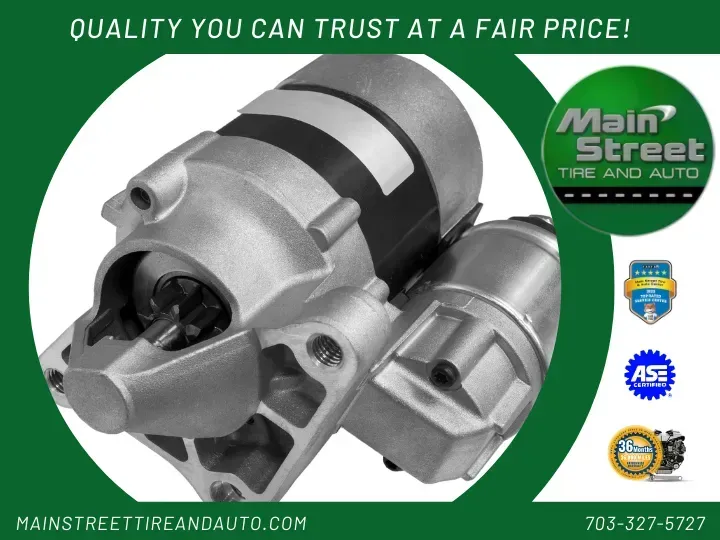
Starter Motor Failure
If the battery is good, the starter motor may be failing.
- Single loud click
- No engine movement
- Grinding noise
Ignition Switch or Push-Button Issues
Faulty ignition systems may fail to send the signal needed to start the engine.
- Lights on, no start
- Intermittent starting
- No response when key is turned
Neutral Safety Switch or Clutch Switch Issues
These systems prevent starting unless conditions are correct (Park/Neutral or clutch pressed).
Security System or Immobilizer Problems
Anti-theft systems may block engine starting due to signal issues or key recognition problems.
- Key fob battery failure
- Sensor issues
- Programming errors
Blown Fuses or Faulty Relays
Starter relays and fuses control power flow to the starter motor. If they fail, the engine won’t crank.
What You Can Safely Check Yourself
- Make sure the car is in Park or Neutral
- Try starting in Neutral (automatic vehicles)
- Check battery terminals for corrosion
- Listen for clicking or cranking sounds
- Try a jump start if available
If the issue continues, repeated attempts may increase strain on the electrical system.
Why Guessing Can Make Things Worse
Modern vehicles rely on complex electronic systems. Replacing parts without testing often leads to unnecessary repairs.
Professional diagnostics can:
- Test battery load capacity
- Inspect charging system output
- Measure starter current draw
- Verify ignition signal delivery
- Check immobilizer communication
When to Schedule Professional Diagnostics
- The engine will not crank
- Repeated clicking occurs
- Jump starts do not help
- The issue happens more than once
- Warning lights appear
Early diagnosis helps prevent breakdowns and larger electrical failures.
Final Thoughts
If your car won’t start but the lights work, the issue is likely related to a critical starting or electrical component.
Avoid guesswork and address the issue early to protect reliability and prevent roadside failure.
You can watch the video: https://youtu.be/bwFnnR19CRU